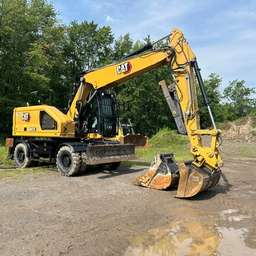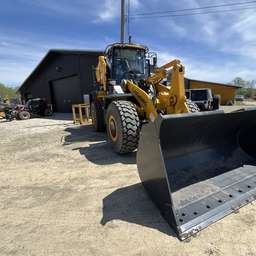
An excavator on its own digs. An excavator paired with the right attachment demolishes concrete, drills post holes, sorts and grapples debris, or compacts trench backfill without ever leaving the machine seat. Attachment selection is what actually turns a single excavator into a machine capable of handling a wide range of job types, yet it rarely gets the same attention as the machine purchase itself.
This guide covers the main excavator attachment categories, what each one is actually built for, and how to think through matching attachments to your specific carrier and workload.
Standard Digging Buckets
The standard digging bucket is the attachment most excavators spend the majority of their working life running, but bucket selection still matters more than it might seem. Bucket width and tooth configuration should match the soil type and task at hand. A wider bucket moves more material per pass in loose soil, while a narrower bucket with more aggressive teeth handles denser or rockier ground more effectively. Ditch cleaning buckets, with a smooth, wider profile, are built specifically for grading and cleaning drainage channels rather than aggressive digging.
Our guide on excavators: everything you need to know covers the machine side of this equation, and pairing that knowledge with the right bucket selection for your typical soil conditions and task mix is what actually determines how efficiently a machine performs day to day.
Hydraulic Thumbs
A hydraulic thumb attaches to the excavator's arm alongside the bucket, working together to grip and grapple irregular material, rocks, logs, and demolition debris, that a standard bucket alone cannot securely hold. This is one of the more valuable additions for site clearing and demolition work specifically, since it allows an operator to sort and place material precisely rather than simply pushing or scooping loose debris.
Thumb sizing needs to match the excavator's arm and hydraulic capacity. An undersized thumb struggles with heavier material, while an oversized thumb can add unnecessary weight and cost for a machine that mostly handles lighter debris.
Hydraulic Breakers and Hammers
Hydraulic breakers turn an excavator into a demolition tool, delivering repeated high-force impact to break up concrete, rock, and other hard material. Breaker sizing needs to match the carrier's weight class closely. An undersized breaker on a larger machine underperforms relative to what the carrier could support, while an oversized breaker on a smaller machine risks damaging the excavator's arm and hydraulic system from excessive reactive force.
This is one attachment category where getting the sizing wrong has real consequences beyond just underperformance. Working with a dealer who understands both the specific excavator model and the breaker's rated specifications protects the machine from damage that an improperly matched breaker can cause over repeated use.
Augers for Drilling and Foundation Work
Auger attachments turn an excavator into a drilling tool, useful for post holes, foundation piers, and utility pole installation. Auger diameter and torque requirements vary by application, and matching the auger's specifications to both the excavator's hydraulic output and the specific drilling depth and soil conditions on a job protects against underperformance or excessive strain on the carrier.
Compaction Plates
Excavator-mounted compaction plates handle trench backfill compaction without requiring a separate walk-behind compactor and a second operator. This attachment is particularly useful for utility trench work, where backfill needs to be compacted in lifts as a trench is filled, and running the compaction plate off the same excavator already on site streamlines the process compared to coordinating a separate compaction crew and equipment.
Grapples
Grapple attachments, whether built for brush, demolition debris, or general material handling, extend an excavator's ability to sort, lift, and place irregular material with more control than a standard bucket provides. Multi-purpose grapples with jaw-style opening and closing mechanisms handle a range of material types, while more specialized brush grapples are built specifically for vegetation clearing and land management work.
Quick Couplers: Why Switching Speed Matters
A quick coupler system allows an operator to switch between attachments without leaving the cab, dramatically reducing the time cost of changing tools between tasks. For contractors running a mixed workload, digging in the morning, demolition debris sorting in the afternoon, a quick coupler turns what would otherwise be a time-consuming manual attachment swap into a matter of seconds. This matters directly for daily productivity on jobs that call for multiple attachment types across a single shift.
Matching Attachment Weight to Carrier Capacity
Every attachment adds weight and places specific hydraulic flow demands on the carrier excavator, and exceeding what a specific machine is rated to handle creates real safety and performance risk. Our guide on buying an excavator to meet your needs covers how to think through machine selection based on your actual workload, and attachment plans should factor directly into that sizing decision. A machine purchased without considering the specific attachments you intend to run can end up undersized for a breaker or auger you plan to add later.
Our article on effective lifting tips for using a compact excavator also touches on how attachment weight affects a machine's overall lift and stability characteristics, which is worth reviewing before adding a heavier attachment to a smaller carrier.
Protecting Machine Value With the Right Attachment Choices
Improperly matched attachments, particularly oversized breakers or augers pushing beyond a carrier's rated capacity, can accelerate wear on the excavator's arm, boom, and hydraulic system in ways that affect long-term value. Our guide on whether excavators hold their value covers how maintenance history and overall condition affect resale, and consistent use of properly matched attachments is part of protecting that condition over the machine's working life.
Building an Attachment Fleet Around Your Actual Job Mix
Rather than acquiring attachments reactively as each new job type comes up, it is worth stepping back and mapping out the actual range of work your operation handles across a typical year. A contractor who regularly moves between utility trenching, demolition, and general site clearing benefits from thinking through the full attachment lineup, buckets, a thumb, a breaker, a grapple, as a coordinated set built around that specific mix of work, rather than purchasing each one individually only after a job arrives that the current lineup cannot handle.
This kind of proactive planning also gives you more leverage when working with a dealer, since discussing a full attachment strategy up front often surfaces better pricing and bundling options than acquiring each piece separately over time. It also reduces the number of times a project gets delayed while waiting on a rental or purchase for an attachment that a bit of advance planning would have already had on hand.
Common Attachment Mistakes Worth Avoiding
A few mistakes show up repeatedly among contractors adding attachments to an existing excavator. Buying a breaker or auger based on price alone, without confirming it matches the carrier's rated hydraulic flow and weight capacity, is one of the most common and can lead to poor performance or accelerated wear that costs far more in repairs than the initial savings were worth. Assuming a used attachment purchased separately from the excavator will pair cleanly without checking hydraulic flow requirements and coupler compatibility is another frequent misstep that leads to costly modification or an attachment that simply cannot be used on the intended machine.
Neglecting attachment-specific maintenance is a third common gap. Breakers, augers, and thumbs each have their own wear points, seals, bushings, and pins among them, that need regular inspection separate from the excavator's own maintenance schedule. Treating attachment upkeep as an extension of general machine maintenance, rather than its own distinct routine, often means attachment-specific wear goes unnoticed until it causes a larger problem.
Renting Specialized Attachments for Occasional Jobs
Not every contractor needs to own every attachment category. A breaker or auger used only occasionally may make more financial sense as a rental than a purchase, particularly for smaller operations where a specialized attachment would otherwise sit unused between jobs. This mirrors the same logic covered in our complete guide to renting construction equipment, and it applies just as directly to attachments as it does to the base machines themselves.
Comparing Excavator Attachments to Skid Steer Attachments
It is worth noting that excavator attachments and skid steer attachments generally are not interchangeable, since the two machine types use different mounting systems and hydraulic configurations. Our guide on understanding skid steer attachments and matching equipment and uses covers that separate category in detail, and contractors running both machine types need to plan attachment inventory for each carrier type independently rather than assuming crossover compatibility.
Final Thoughts
An excavator's real versatility comes from the attachments running on it, not the base machine alone. Choosing the right bucket for your soil conditions, sizing a breaker or auger correctly to your specific carrier, and using a quick coupler system to switch efficiently between tasks all determine how much work a single excavator can actually handle across a varied job site. Planning attachment needs alongside the machine purchase itself, rather than as an afterthought, is what turns a capable excavator into one that genuinely covers the full range of work your projects demand. Talking through your typical job mix with your dealer before finalizing either the machine or the attachment lineup helps make sure the two are matched correctly from day one.