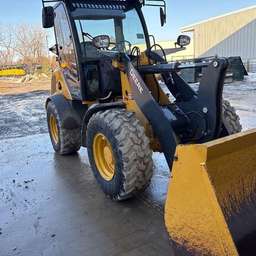
The backhoe loader remains one of the most versatile machines on a job site despite decades of competition from more specialized compact equipment categories, and contractors weighing whether one still fits their fleet often underestimate how much a single well-matched backhoe loader can consolidate into one piece of equipment. Understanding what these machines genuinely excel at, and how to size and configure one correctly, helps contractors decide whether a backhoe loader deserves a place in their equipment lineup alongside more specialized alternatives.
What Makes a Backhoe Loader Genuinely Different
A backhoe loader combines a front-mounted loader bucket with a rear-mounted excavating arm on a single wheeled chassis, giving one machine and one operator the ability to dig, load, and backfill without switching equipment mid-task. This dual-function design sets it apart from the more specialized machines covered in our guide to the most important heavy-duty construction equipment, where excavators and wheel loaders each handle one side of that same digging-and-loading workflow separately.
For contractors running smaller crews or handling utility, municipal, and general site work that involves frequent switching between digging and material handling tasks, this combined capability reduces both equipment transport needs and the operator coordination required to keep two separate machines working in sync on the same task.
Where Backhoe Loaders Genuinely Outperform Alternatives
Backhoe loaders excel on projects requiring frequent movement between multiple smaller dig sites across a single job, utility installation, pipeline work, and general municipal maintenance among the most common applications, since the machine can travel on its own wheels between locations without requiring separate transport the way a tracked excavator typically would. This road-legal mobility, something most excavators lack, gives backhoe loaders a real practical advantage for contractors working scattered utility or municipal jobs across a wider service area in a single day.
Our article on excavators: everything you need to know covers the tracked excavator category that backhoe loaders often get compared against, and the mobility difference between the two machine types is one of the clearest factors that should drive a contractor's choice between them for any given project type.
Sizing a Backhoe Loader to Your Typical Work
Backhoe loaders span a meaningful size range, and matching digging depth, loader bucket capacity, and overall machine horsepower to your typical project scope prevents both under-capacity struggles on larger digs and unnecessary cost from oversizing for routine, smaller-scale work. Contractors handling primarily utility trenching and smaller municipal work can often get by with a more compact backhoe loader model, while those tackling larger foundation excavation or heavier earthmoving alongside utility work should look toward larger-capacity models with correspondingly deeper digging reach and higher loader lift capacity.
This sizing exercise mirrors the approach covered in our article on what determines the right size loader for your project, and applying that same disciplined sizing logic specifically to the loader end of a backhoe loader's dual capability helps ensure the machine's front-end performance matches its rear-end digging capability rather than one side of the machine outpacing the other for your typical work.
Attachment Versatility on the Backhoe End
The rear excavating arm on most backhoe loaders accepts a range of attachments beyond the standard digging bucket, including hydraulic breakers, augers, and specialized trenching buckets, extending the machine's versatility considerably beyond basic digging and backfilling work. Contractors who invest in a well-chosen attachment set for their backhoe loader's excavating arm can tackle demolition, post-hole digging, and specialized trenching tasks without needing to bring in a separate specialized machine for each of these occasional but recurring job requirements.
Loader-end attachments also extend the front bucket's versatility, with forks, pallet forks, and grapple attachments turning the loader end into a genuinely capable material handling tool alongside its standard bucket function. Contractors evaluating a backhoe loader purchase should think through their realistic attachment needs on both ends of the machine before finalizing a purchase, since attachment compatibility and availability can vary between manufacturers and machine models.
New vs. Used Backhoe Loader Considerations
Backhoe loaders hold up well as durable, long-service equipment, and a well-maintained used unit can offer real value for contractors working with a tighter equipment budget. Buyers considering a used backhoe loader should pay particular attention to hydraulic system condition on both the loader and excavating arm, since hydraulic wear affects both ends of the machine's dual function and repair costs can add up considerably if problems exist on both systems simultaneously.
Our quick guide to purchasing used construction equipment covers general due diligence steps that apply directly to a used backhoe loader evaluation, and buyers should apply that same inspection rigor to both the loader and backhoe components independently rather than assuming good condition on one end implies good condition on the other.
Comparing Total Cost Against Renting Separate Machines
Contractors weighing whether to purchase a backhoe loader outright or continue renting an excavator and loader separately as project needs arise should compare the full cost picture honestly, factoring in the operator efficiency and reduced equipment transport costs a combined machine offers against its higher single-machine purchase or rental cost compared to either specialized alternative individually. Our guide on renting versus buying used construction equipment covers this broader financial comparison framework, and contractors with genuinely frequent need for both digging and loading capability on the same job typically find a backhoe loader's combined efficiency justifies its cost more clearly than contractors whose project mix leans heavily toward one function or the other.
Maintenance Demands Specific to Dual-Function Equipment
A backhoe loader's dual hydraulic systems, one serving the loader arm and bucket, another serving the excavating arm and its attachments, both require regular maintenance attention, meaning owners face a broader maintenance scope than they would with a single-function machine. Our overview of the importance of construction equipment maintenance and inspections applies directly here, and contractors should build a maintenance routine that specifically addresses both hydraulic systems rather than assuming a single inspection pass covers the machine's full dual-function complexity.
Operator Skill and Training Considerations
Operating a backhoe loader effectively requires comfort switching between loader and excavating functions, often within the same task sequence, and this dual-skill requirement means operator training for a backhoe loader covers genuinely more ground than training focused on a single-function machine like a standard wheel loader or excavator. Contractors bringing a backhoe loader into their fleet for the first time should budget adequate training time for operators to build comfort and efficiency across both ends of the machine before expecting full productivity on active job sites.
Tire Configuration and Ground Condition Fit
Backhoe loaders typically run on wheels rather than tracks, and tire selection meaningfully affects performance across different ground conditions and job site surfaces. Standard highway-rated tires suit contractors who need to travel between job sites on public roads frequently, preserving the machine's road-legal mobility advantage covered earlier. Contractors working primarily on soft, muddy, or uneven terrain may find standard tire configurations struggle for traction compared to a tracked alternative, and should weigh this tradeoff honestly against the mobility benefits a wheeled backhoe loader otherwise offers.
Some manufacturers offer specialized tire options designed to improve traction on softer ground without fully sacrificing road mobility, and contractors working a genuine mix of paved and unpaved conditions should discuss tire options with their equipment dealer before finalizing a purchase, since the standard tire package that ships with a given model may not actually match the specific ground conditions a contractor's typical project mix involves.
Cab Comfort and Operator Productivity Over a Full Shift
Because backhoe loader operators frequently spend full shifts switching between loader and excavating tasks, cab comfort and visibility deserve real consideration alongside the more commonly discussed capacity and sizing factors. Modern cab designs vary considerably in visibility toward both the loader bucket and the rear excavating arm, and an operator who struggles to see clearly toward either end of the machine loses real productivity and faces added safety risk compared to one working in a well-designed cab with clear sightlines in both directions.
Contractors demoing potential backhoe loader purchases should have their actual operators spend meaningful time in the cab evaluating visibility and control layout before committing to a specific model, since operator comfort and confidence directly affects how efficiently a dual-function machine like this gets used across a full working day.
Deciding Whether a Backhoe Loader Fits Your Fleet
The right decision on whether to add a backhoe loader to your equipment lineup comes down to an honest look at how often your projects genuinely require both digging and loading capability on the same task, how much value road-legal mobility between job sites offers your specific service area, and whether your typical project scale matches what a backhoe loader delivers compared to more specialized alternatives. Contractors who work through this evaluation carefully, rather than defaulting to whichever machine category feels more familiar, consistently find the combination that delivers the best productivity and value for their specific mix of work.