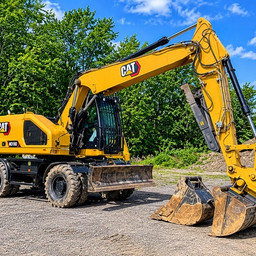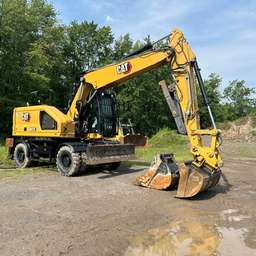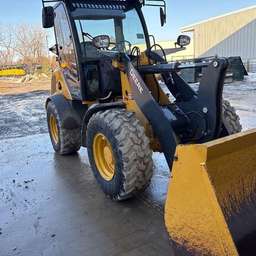
When you ask, "How much does an excavator cost?" the honest answer is a range, driven mostly by size class, age, hours and how the machine is equipped. To reach a real figure, add the base machine, the attachments you need, any options, delivery, and the finance terms you qualify for. We do not publish list prices here, because the right number depends on the model, the configuration and the market on the day you buy.
What we can do is show you how the price is built. If you want to see how an excavator holds value over time, our guide on whether excavators hold their value is a useful companion to this one.
What Decides the Price of an Excavator?
Size class is a major driver of excavator cost. After that, the price moves with the way the machine is built and equipped.
Compact, mid size and larger excavators are designed for different job demands, and larger classes generally require more machine capacity and a larger budget. Compare the published specifications and configuration of the models you are considering, such as a John Deere 35P, 50P, 75P or 85P, before requesting a quote on heavy equipment price.
Configuration and Options
Two machines of the same model number can be priced quite differently. The usual add-ons include:
- Cab choice, such as an open canopy versus an enclosed cab with heat and air conditioning.
- Undercarriage type, including steel tracks, rubber tracks or rubber pads.
- Hydraulic plumbing for thumbs, hammers, augers and other powered tools.
- Boom and arm configuration, counterweights and blade options.
- Grade control and machine monitoring technology.
Attachments and Delivery
Attachments are a real part of your budget. Ask what attachment, if any, is included in the quoted configuration. A grading bucket, hydraulic thumb, breaker or auger may affect the package price and may require compatible couplers or hydraulic connections. Also plan for freight to your yard, any trailer or towing capacity you need, and the cost of a first service interval.
How Do New and Used Excavator Prices Compare?
A used excavator usually costs less up front than the same model bought new, and the gap tends to widen with age and hours. New machines generally have no prior operating history and can be configured for the work you plan to do.
The right choice depends on expected annual hours, job schedule, condition requirements and budget.
| Factor | New excavator | Used excavator |
|---|---|---|
| Purchase price | Higher | Lower, varies with hours and condition |
| Warranty | Confirm warranty terms | Confirm any remaining or added coverage |
| Condition | Review condition and maintenance needs | Inspect undercarriage, hydraulics and records |
| Resale | Ask for current trade or resale information | Ask for current trade or resale information |
You can compare current listings on our used equipment inventory page, where units are listed with prices, and review build options on our new John Deere excavators pages.
What Does an Excavator Cost to Run Per Hour?
The cost of excavator per hour is the total of ownership and operating costs divided by the hours you actually work. Ownership covers the purchase or finance payment, insurance and depreciation. Operating covers fuel, diesel exhaust fluid, filters and oil, undercarriage wear, ground engaging tools, repairs and the operator.
Working Out Your Own Hourly Number
First, estimate the hours you will run the machine each year. Second, add your yearly ownership costs, meaning the finance payments or the purchase price spread over the years you plan to keep it, plus insurance. Third, add your yearly operating costs, using your own fuel price, service intervals and a realistic allowance for wear parts. Fourth, divide the yearly total by the yearly hours.
Fuel burn generally rises with machine size and with how hard you load the hydraulics. Undercarriage wear tends to climb on rock, slopes and abrasive ground. Low annual hours also push the hourly figure up, because fixed ownership costs are spread across fewer working hours.
Plan maintenance into your estimate. Our factory trained technicians can help set a service schedule through shop or mobile service.
Can Financing Lower the Upfront Cost?
Financing lowers what you pay on day one, not what the machine costs in total. It spreads the price across months so the payment can be matched to the revenue the excavator earns.
We offer John Deere financing programs, leases and PowerPlan, plus a Net 30 account for parts, service and rentals. Lease payments and end of term conditions depend on the agreement, so review both before you decide. A loan builds equity, so the machine is an asset you can sell or trade later. Our equipment financing page is the place to start. Compare the down payment, term length, total interest and any end of term obligations, not the monthly payment alone.
How Do You Get a Real Price for the Model You Need?
Request a quote with your job details, and ask for the delivered price rather than the base machine price. The more specific you are, the closer the first number will be to the final one.
Have this ready when you call or fill in a form:
- Your typical work, such as trenching, footings, site prep, demolition or forestry support.
- Required dig depth, reach and lift capacity, plus any site width or weight limits.
- Attachments you need now and the ones you may add later.
- Estimated annual hours and how long you plan to keep the machine.
- Your trade in, if you have one, and whether you want to buy, lease or finance.
Then ask for new and used options side by side, and request a demo on your own ground. Five Star Equipment has served Pennsylvania and New York since 1980, with seven branches covering 57 counties, so a local team can review the numbers with you.
Frequently Asked Questions
Usually, yes. Compact excavators such as the John Deere 35P or 50P often have a lower purchase price than larger models such as the 75P or 85P. Compare the specifications, attachments and work requirements before deciding which size class fits your budget.
They can. A quick coupler, grading bucket, hydraulic thumb, breaker or auger may be quoted separately, and powered tools may need extra hydraulic plumbing. List the tools you actually need, then ask for them inside the quote so nothing appears later.
There is no single cutoff. Hours should be reviewed alongside service history, undercarriage condition, hydraulic health and how the machine was used. Review the records, inspect the machine, and ask about an equipment evaluation before you decide.
Renting often makes sense for short projects, seasonal peaks or a machine class you rarely need. Buying usually fits better when annual hours are high and the work is steady. We do not publish rental rates, so contact a branch for a quote.
Yes. Your true cost is the purchase price minus what you recover at resale or trade in, plus operating costs along the way. Maintenance records and machine condition are worth tracking, since they are part of what a buyer or dealer reviews later.
Plan for freight, insurance, a trailer and tow vehicle rated for the weight, attachments, fuel and diesel exhaust fluid, scheduled maintenance, and wear parts such as teeth and tracks. Operator time and transport between jobs also belong in your budget.
How Much Does an Excavator Cost? Key Takeaways
To answer the question, "How much does an excavator cost?" price the whole package, not just the base unit. Choose the size class your work actually needs, weigh new against used based on annual hours, add the attachments you will really use, and check the hourly owning cost against the revenue the machine will earn. Finance terms shape the monthly payment, but the delivered price and the cost per hour decide whether the purchase pays off.
Five Star Equipment can quote a new or used John Deere excavator, review financing options and keep it running from a branch near your job. Tell us about your work and request a quote at fivestarequipment.com.