Buying an excavator is a big decision, especially when you’re thinking about how much it will be worth later. For many buyers, the question isn’t just about the cost upfront, but about how well the equipment will hold its value over time. If you’re wondering how to make the smartest investment and avoid losing money down the road, you’re not alone. In this blog, we’ll take a closer look at how well excavators keep their value and what that means for you as a buyer.
The Short Answer: Do Excavators Hold Their Value?
Excavators experience significant depreciation early on, so they don’t hold their value as well as some other equipment. However, with proper maintenance and care, they can still retain a good portion of their value over time, making them a worthwhile investment for buyers planning ahead.
What is the Life Expectancy of an Excavator?
The life expectancy of an excavator can range from 7,000 to 10,000 operational hours, depending on the brand, model, and how well it’s maintained. For some of the top brands, well-cared-for equipment can even exceed 10,000 hours of use. Usage also plays a big role—machines that work under tough conditions like demolition may wear out faster compared to those used for lighter jobs like digging or grading.
Average Depreciation Rates for Excavators
Excavators typically depreciate about 20-25% in the first year after purchase, which is fairly common for heavy equipment. After the initial drop, the depreciation rate slows to around 5-10% per year, depending on how the machine is used and maintained. This means that a well-maintained excavator can still retain around 50-60% of its original value after five years.
What Affects an Excavator’s Value?
While excavators don’t hold their value as well as some equipment, there are key factors that determine how much they’re worth over time. Buyers and sellers alike need to consider the following when evaluating an excavator’s resale potential. The main factors include:
- Equipment Age and Hours of Operation
- Maintenance History and Condition
- Market Demand and Economic Trends
Equipment Age and Hours of Operation
How old an excavator is and how much it has been used are two of the biggest factors affecting its value. Machines with more hours on the clock generally show more wear, but it’s not just about numbers. An older excavator with fewer operational hours might hold more value than a newer machine that’s been heavily used for demanding jobs.
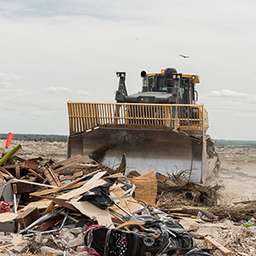
The type of work also matters. Excavators used in lighter tasks like digging trenches often stay in better condition than those exposed to harsh environments like demolition. If you’re evaluating an excavator, take a closer look at both the hours of operation and the nature of the work it has performed.
Maintenance History and Condition
The condition of an excavator speaks volumes about its value, and maintenance history is the proof behind it. Machines that have been serviced regularly and cared for properly often are valued at higher prices than those with gaps in their upkeep. Small steps like routine oil changes, track maintenance, and part replacements can prevent larger problems that drag down value.
Visual condition is just as important. Things like rust, damaged hydraulics, or worn tracks can send up red flags for anyone assessing its worth. On the other hand, an excavator that operates smoothly and looks well-maintained can show its owner took care of it, even if it has higher usage hours.
Market Demand and Economic Trends
The value of an excavator isn’t just based on the machine itself—it’s also shaped by the market and economy. When construction projects increase, the demand for used equipment often rises, which can lead to higher prices. Prices also may drop during slower periods or economic downturns as there are more machines available than buyers need.
Regional trends are just as important as national ones. Areas with large infrastructure projects or growing construction needs often have higher demand, which can drive up the value of used excavators. Paying attention to these trends can help you decide the best time to buy or sell.
Is Buying a New or Used Excavator Better for Value Retention?
New excavators tend to lose value quickly but come with perks like warranties and cutting-edge features. On the other hand, used excavators may cost less upfront and depreciate more slowly, but their condition and maintenance history can vary widely. Let’s explore what makes each option appealing and what trade-offs you should consider.
Pros and Cons of Buying New
Choosing a new excavator is a big investment, and while it offers certain benefits like reliability and warranty coverage, it’s important to weigh these against the rapid depreciation new equipment often faces.
Pros:
- Comes with the latest technology and features, making it more efficient and appealing in resale.
- Typically includes warranties, which can protect against unexpected repair costs.
- No prior usage, meaning it starts its life in peak condition.
Cons:
- High upfront cost, with significant depreciation in the first year (typically 20-25%).
- May not always be the best investment if you only need the machine for short-term projects.
- Requires a larger financial commitment, which may not suit smaller businesses.
Pros and Cons of Buying Used
A used excavator can be a smart choice if you’re looking to save money upfront, but there are some trade-offs to consider. Here’s what you need to know:
Pros:
- Lower purchase price, making it a more budget-friendly option.
- Slower depreciation compared to new equipment, helping it retain more of its value.
- Ideal for businesses that don’t require cutting-edge features.
Cons:
- Greater risk of maintenance issues, especially if the machine wasn’t well taken care of.
- Limited or no warranty, meaning higher potential repair costs.
- Fewer customization options compared to ordering a new machine.
Shop Excavators in Pennsylvania and New York
Ready to find an excavator that fits your needs and retains its value? Five Star Equipment is your trusted source for quality excavators that balance performance and value retention. With a range of new and used models available, we provide options to match your budget and project needs. Our team is committed to helping you make the right choice and offering expert maintenance services to keep your equipment in the best condition. Visit any of our locations in Pennsylvania and New York to explore our inventory or contact us today for more information!
Summary
If you’re in the market for an excavator, understanding how well they hold their value is key. While excavators depreciate quickly at first, factors like maintenance, condition, and market trends can help them retain more of their worth over time. We’ve covered how age and usage impact value, the importance of upkeep, and the pros and cons of buying new versus used. By considering these factors, you can make a confident investment that aligns with your needs and budget.