Finding the right loader for your project can make a big difference in how smoothly things run. A loader that’s too small might leave you struggling to keep up, while one that’s too large could be costly or hard to maneuver. By taking the time to evaluate your project’s specific requirements, you can make a choice that helps you stay on track and avoid unnecessary complications. In this blog, we’ll walk you through the factors that can help you choose the best loader for your project, so you can feel confident in your decision.
What are the Different Sizes of Loaders?
Loaders come in a variety of sizes to meet the demands of different types of projects, ranging from compact machines ideal for tight spaces to heavy-duty equipment designed for large-scale operations. The size of a loader impacts its power, capacity, and maneuverability, making it essential to match the machine to the tasks at hand.
Loaders are generally categorized into three main sizes: small, medium, and large. Each type has its own strengths and is suited for specific types of projects. Let’s break them down below.
Small Loaders
Small loaders, often referred to as compact loaders, are perfect for jobs in confined spaces or where precision is key. They’re commonly used for residential landscaping, small construction sites, and light material handling. Their compact size allows them to navigate narrow pathways and tight corners while still offering enough power to handle tasks like moving soil, mulch, or debris. These loaders are a go-to option for projects that don’t require heavy lifting but still need efficiency and reliability.
Medium Loaders
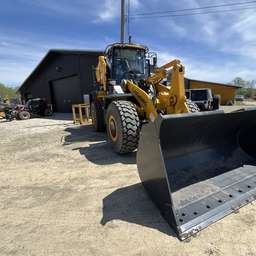
Medium loaders offer a balance of power and size, making them one of the most versatile options. They’re widely used on commercial construction sites, roadwork projects, and larger landscaping jobs. Medium loaders have the capacity to handle heavier materials like gravel or concrete while still being maneuverable enough to operate in moderately tight spaces. These machines are considered the best choice for contractors who need equipment that can adapt to a variety of tasks without being oversized.
Large Loaders
Large loaders are built for heavy-duty projects that require maximum power and capacity. These machines are commonly used on large construction sites, mining operations, and industrial projects where moving large amounts of material is needed. They’re designed to handle tough materials like rock, sand, and heavy debris, making them a practical choice for large-scale operations. While they provide a lot of power, their size means they’re the most useful in open spaces where maneuverability is less of an issue.
Factors to Consider When Choosing a Loader
Selecting the right loader for your project involves more than just picking a machine that fits your budget. The type of loader you choose should align with the specific needs of your job site, the materials you’ll be working with, and your long-term goals. Below are the key factors to consider when deciding on a loader.
- Project Size and Scope: The scale of your project will heavily influence the size of the loader you need. For smaller residential jobs or landscaping projects, compact loaders are often the best choice due to their maneuverability and ease of use. Larger construction or industrial projects, on the other hand, will require medium or large loaders to handle heavy materials and bigger workloads.
- Type of Material: The material you’re working with also plays a role in your decision. Light materials like mulch or soil can be handled with smaller loaders, while heavier materials such as gravel, rocks, or concrete might call for medium or large loaders. The loader’s bucket size and weight capacity should match the demands of the material to avoid overworking the machine.
- Work Environment: Consider the conditions of your job site. Tight spaces or areas with limited access will require a smaller, more maneuverable loader, while open spaces can accommodate larger equipment. The terrain also matters—uneven or rough ground may call for loaders with specialized tires or tracks to maintain stability and performance.
- Budget and Operating Costs: While the initial cost of a loader is important, don’t overlook the ongoing operating expenses such as fuel, maintenance, and repairs. Smaller loaders tend to be more fuel-efficient and require less maintenance, whereas larger loaders may have higher operating costs due to their size and complexity.
- Attachments and Versatility: Think about whether you’ll need additional attachments to perform specific tasks. Many loaders can be fitted with attachments such as forks, grapples, or augers to increase their versatility. Choosing a loader that’s compatible with the tools you need can save time and expand the machine’s functionality.
Mistakes to Avoid When Selecting a Loader
Choosing the wrong loader for your project can lead to delays, increased costs, and unnecessary frustration. Avoiding common mistakes during the selection process allows you to get a machine that meets your needs without wasting resources. Here are some of the most common mistakes to watch out for:
- Overlooking Project Requirements
- Focusing Solely on Price
- Ignoring Operating Costs
- Not Considering Worksite Conditions
- Overloading the Loader
- Rushing the Decision
Overlooking Project Requirements
One of the biggest mistakes is not fully considering the specifics of your project. A loader that’s too small might not handle the workload, while one that’s too large could be difficult to operate on smaller job sites. Take time to evaluate your project’s scale, material type, and job site conditions before making a decision.
Focusing Solely on Price
While it’s important to stick to a budget, choosing a loader based only on cost can backfire. A cheaper machine might save money upfront but could lack the durability or capacity to handle your tasks. Balancing cost with performance and long-term reliability is key to getting the most value from your investment.
Ignoring Operating Costs
Many people focus on the purchase price but forget about ongoing expenses like fuel, maintenance, and repairs. Larger loaders typically consume more fuel and require more upkeep, so it’s essential to factor in these costs to avoid surprises later.
Not Considering Worksite Conditions
Failing to assess the conditions of your worksite can lead to mismatched equipment. For example, tight or confined spaces may require a compact loader, while rough terrain might call for a machine with specialized tires or tracks. Make sure the loader you choose is suitable for the environment it will be operating in.
Overloading the Loader
Another common mistake is underestimating the workload and overloading the loader. This can strain the machine, leading to costly repairs or reduced performance over time. Always check the loader’s weight capacity and make sure it matches the demands of your project.
Rushing the Decision
Choosing a loader is a big investment, and rushing the decision can result in costly errors. Take the time to research your options, compare features, and consult with experts or equipment suppliers to make the most informed choice.
Rent or Buy a Loader in Pennsylvania & New York
When it comes to finding the right loader for your project, Five Star Equipment has you covered. Whether you’re looking to rent a loader for a short-term job or invest in one for ongoing use, our team can help you choose the perfect size and model for your needs. With locations across Pennsylvania and New York, we offer a wide selection of high-quality equipment, from compact loaders to heavy-duty machines, backed by expert support and service. Contact us today to discuss your project and explore our options for renting or buying a loader that’s built to handle the job.
Summary
The right loader can make all the difference in keeping your project on track. Choosing the right loader involves considering factors like project size, material type, and worksite conditions while avoiding common mistakes such as overlooking attachments or focusing solely on price. Taking these steps helps you select a loader that matches your project’s needs and sets the stage for a successful job.