Choosing the right heavy equipment for construction, landscaping, and earthmoving is mission-critical, and perhaps no machine impacts site productivity and your bottom line more directly than the excavator. Buying an excavator for sale and selecting the appropriate model is a strategic decision that influences project timelines, operating costs, and ultimately, your Return on Investment (ROI). With numerous options available in the market for excavators for sale, making an informed choice requires careful consideration of your specific project needs, operational constraints, and financial goals.
This guide breaks down the essential considerations – from machine size and technology to purchase options – helping you choose an excavator that delivers maximum value for your operational needs.
Understanding Excavator Classes and Sizes
Not all excavators are created equal. They come in different sizes and configurations, each suited for different tasks and environments. Understanding these classifications is the first step in narrowing down your options.
Mini vs. Compact vs. Full-Size: Project-Specific Applications
- Mini Excavators: Typically weighing under 6 metric tons, these machines are ideal for tight spaces, indoor work (with proper ventilation), landscaping, utility trenching, and small demolition tasks. Their light weight minimizes ground disturbance, making them perfect for sensitive areas.
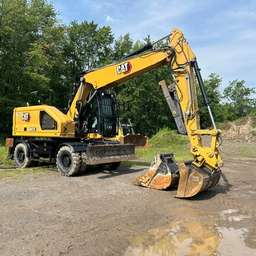
- Compact Excavators: Often overlapping with the larger end of minis and ranging up to around 10 metric tons, compact excavators offer a balance of power and maneuverability. They are versatile machines for general construction, plumbing, landscaping, and projects requiring more reach and digging depth than a mini but still needing access to confined areas.
- Full-Size (Standard) Excavators: These are the workhorses of heavy construction, quarrying, large-scale earthmoving, and major demolition projects. Weighing anywhere from 10 to over 90 metric tons, they provide significant digging force, reach, and lifting capacity but require ample operating space.
Weight and Dig Depth: Matching Machine to Job Requirements
The operating weight influences transport logistics, ground pressure, and stability. Dig depth and reach are critical performance metrics. You must match these specifications to your typical job requirements. Choosing a machine that’s too small will lead to inefficiency and delays, while an oversized machine incurs unnecessary fuel and transport costs and might not even fit on the job site. Always consider the maximum depth you need to dig and the reach required to load trucks or place materials effectively.
Tail Swing Considerations: Space Constraints and Safety
Tail swing refers to how much the excavator’s housing extends beyond the tracks during rotation.
- Conventional Tail Swing: Offers maximum lift capacity and stability but requires the most clearance.
- Reduced Tail Swing (RTS): Provides a compromise, offering good stability with less overhang than conventional models.
- Zero Tail Swing (ZTS): The housing stays within the width of the tracks during rotation, making these machines ideal for extremely confined spaces like roadwork next to traffic or working near buildings. However, this design can sometimes compromise lift capacity compared to conventional models of similar size. Safety is a major factor here, as reduced or zero tail swing significantly minimizes the risk of collision in tight quarters.
Key Features and Technology to Evaluate
Beyond size, excavators have features and technologies that dramatically impact performance and operational costs.
Hydraulic Performance for Flow Rates and Attachment Compatibility
Hydraulic flow (gallons per minute) and pressure (psi) dictate digging force and the ability to run attachments effectively. If you plan to use demanding attachments like hydraulic breakers, thumbs, mulchers, or processors, ensure the excavator’s auxiliary hydraulic system provides adequate flow and pressure. Compatibility is key for versatility and maximizing the machine’s utility.
Engine Efficiency: Fuel Consumption and Emission Standards
Look for excavators with fuel-efficient engines that meet current environmental regulations (like Tier 4 Final standards). Modern engines are designed to deliver power while minimizing fuel burn and emissions. Reduced fuel consumption directly boosts your ROI by lowering daily operating costs.
Telematics and GPS: Data-Driven Fleet Management
Many modern excavators come equipped with telematics systems. These provide valuable data on machine location, operating hours, fuel consumption, idle time, maintenance alerts, and diagnostic codes. GPS integration can further enhance site management and grading accuracy. Leveraging this data allows for proactive maintenance scheduling (reducing downtime), optimized asset utilization, improved operator performance monitoring, and better overall fleet management, all contributing to a healthier bottom line.
Evaluating Used vs. New Excavators
The decision between buying an excavator for sale that’s new or used requires balancing upfront costs with long-term value and potential risks.
The Cost Factor: Depreciation and Long-Term Value
New excavators come with a higher price tag but have the latest technology, full warranty coverage, and the peace of mind of being the first owner. They experience the steepest depreciation in the first few years. Used excavators offer significant upfront savings, bypassing the initial sharp depreciation. However, potential repair costs and potentially shorter remaining service life must be factored into the total cost of ownership calculation.
Due Diligence on Maintenance History and Inspections
If you’re considering a used excavator, thorough inspection and due diligence are non-negotiable. Review maintenance logs, conduct a detailed visual inspection (checking the undercarriage, engine, hydraulics, boom/stick/bucket for wear, cracks, or leaks), and ideally, have a qualified mechanic perform an assessment. Understanding the machine’s history and current condition is crucial for predicting future maintenance needs.
Peace of Mind: Warranty and Support
New excavators typically come with comprehensive manufacturer warranties, protecting your investment against defects. Used machines may have remaining warranties, offer optional extended warranties, or be sold “as-is.” Consider the level of risk you’re comfortable with and the availability of parts and service support for the specific model and year.
Financing and Purchasing Options
Buying an excavator for sale involves considering several pathways.
Loans vs. Leases
- Loans: Traditional financing results in ownership of the asset over time. Payments build equity, and the machine becomes a long-term part of your fleet.
- Leases: Often involve lower monthly payments and allow businesses to operate newer equipment with predictable costs. At the lease end, options typically include returning the machine, purchasing it, or renewing the lease. This can be advantageous for managing cash flow and keeping the fleet updated.
Leveraging Trade-In Values
If you’re replacing an older machine, its trade-in value can offset the cost of the new or used excavator. Reputable dealers can provide fair market appraisals and streamline the process of trading in your existing equipment.
Auctions vs. Dealer Purchases
- Auctions: Can offer potential bargains but often come with higher risk, as machines are typically sold “as-is” with limited opportunity for thorough inspection or recourse.
- Dealers: Provide a more secure purchasing environment, often offering certified inspections, service history, financing options, warranties (on new and sometimes used), and after-sales support. While the initial price might be higher than at auction, the added value and reduced risk can be substantial.
Contact Five Star Equipment to Find Excavators for Sale
Choosing the right excavator is a critical investment decision. Balancing size, features, condition, and financing requires careful consideration of your specific operational needs and financial strategy. Getting it right means boosting productivity, controlling costs, and maximizing your return on investment for years to come.
At Five Star Equipment, our team is here to provide personalized consultation, helping you navigate the options and match you with the perfect machine for your requirements. We have a complete inventory of both new and high-quality used excavators for sale, ensuring you have access to reliable equipment that fits your budget. Contact us to discuss buying an excavator for sale!