When you’re running a construction business or managing large-scale projects, having the right tools for the job is essential. Heavy equipment is often at the core of your operations, whether you’re working on residential builds, roadwork, or commercial developments. But with such a significant price tag, it’s only natural to wonder: is buying heavy equipment a good investment?
In this blog, we’ll explore the key factors to help you decide if purchasing heavy equipment is the right move for your business.
Factors to Consider When Buying Heavy Equipment
Investing in heavy equipment can transform your business, giving you the tools needed to take on larger projects, improve efficiency, and grow your operations. However, buying the wrong equipment, or failing to plan for the long-term costs, can put a strain on your budget and operations. That’s why it’s essential to evaluate key factors before committing to a purchase. Below, we break down the following important considerations to help you make an informed decision:
- The Type and Size of Equipment You Need
- How Often Will You Use It?
- Total Cost of Ownership (TCO)
- Budget for Maintenance and Repairs
- Equipment Depreciation
- Reputation of the Manufacturer and Dealer
The Type and Size of Equipment You Need
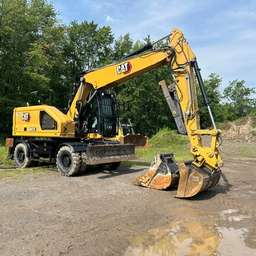
Choosing the right equipment starts with understanding your specific project requirements. Do you need a compact excavator for tight spaces or a larger one for heavy-duty digging? Overspending on oversized equipment or underestimating the power you need can lead to inefficiency and wasted resources. Take stock of your current and future projects to be sure that the equipment you buy will meet your needs without being too large or too small for the job.
How Often Will You Use It?
How frequently you’ll use the equipment plays a big role in deciding whether to buy. If the machinery will be used daily or for the majority of your projects, ownership might be cost-effective. However, if it’s only needed for seasonal work or specific jobs, renting could save money. Analyze your schedule and project pipeline to determine if buying aligns with your workload.
Total Cost of Ownership (TCO)
The total cost of ownership (TCO) goes beyond the sticker price and accounts for all expenses related to owning equipment. This includes fuel, insurance, maintenance, repairs, storage, and eventual depreciation. To calculate TCO, start with the purchase price, then add expected yearly maintenance and operating costs, and divide it by the equipment’s useful life in years. Comparing TCO across different equipment models can help you choose a machine that fits your budget in the long run.
Budget for Maintenance and Repairs
Heavy equipment requires regular upkeep to stay in peak condition, and unexpected repairs can add up quickly. Before purchasing, research the typical maintenance schedule and costs for the model you’re considering. Make sure your budget includes funds for oil changes, replacement parts, and any specialized services. Proper maintenance not only reduces downtime but also extends the lifespan of your investment.
Equipment Depreciation
Depreciation is the loss of value that occurs over time due to use, wear, and changes in technology. It’s a key factor when buying heavy equipment, as it impacts resale value and overall costs. High-quality brands like John Deere often depreciate more slowly, retaining value better than lesser-known alternatives.Factors like market demand, equipment condition, and maintenance records also play a big role in how much value the equipment retains.
To calculate depreciation, subtract the estimated resale value from the purchase price and divide that by the equipment’s useful life. For example, equipment purchased for $100,000 and sold for $50,000 after 10 years would have an annual depreciation cost of $5,000.
Reputation of the Manufacturer and Dealer
The quality of your equipment depends not just on the brand but also on the dealer you work with. Trusted manufacturers like John Deere are known for producing durable, reliable machines. Equally important is partnering with a reputable dealer, like Five Star Equipment, who can provide expert guidance, offer a wide selection, and deliver ongoing support. A strong partnership allows you to get the right equipment and dependable service for years to come.
Calculating the ROI of Heavy Equipment
When buying heavy equipment, it’s important to think about more than just the upfront cost. One of the most valuable ways to do this is by calculating your return on investment (ROI). ROI measures whether the revenue a machine generates will outweigh the costs of owning and operating it, helping you decide if it’s truly worth the investment.
The formula is simple: (Revenue Generated – Total Costs) ÷ Total Costs = ROI. For example, if a machine costs $100,000 and generates $150,000 after factoring in expenses like fuel and maintenance, the ROI would be 50%. A positive ROI shows the equipment is a smart investment, while a low or negative ROI may mean renting or choosing another option is better.
Buying Vs. Renting Heavy Equipment
If you’ve taken all the factors into account, calculated the ROI, and still aren’t sure whether investing in heavy equipment is the right choice, renting might be a better option. Both buying and renting have their benefits and drawbacks, and the best decision often depends on your business needs, budget, and how you plan to use the equipment. Let’s take a look at the pros and cons of both so you can get a clear idea of what will work best for you.
Pros and Cons of Buying Heavy Equipment
Pros:
- Long-Term Savings: Owning equipment can save you money over time if it’s used frequently, especially for projects that require the same machines regularly.
- Availability: When you own equipment, it’s always ready to go, so you won’t have to worry about rental availability or scheduling conflicts.
- Resale Value: When you no longer need the equipment, selling it can offset some of the purchase cost, especially if it’s been well-maintained.
Cons:
- High Upfront Costs: Purchasing equipment requires a large initial investment, which can be a challenge if you’re working with a limited budget.
- Maintenance and Repairs: Owning means you’re responsible for ongoing maintenance, repairs, and storage, which can add to your overall expenses.
- Depreciation: Over time, the equipment will lose value, so you might not get back as much as you hoped when it’s time to sell.
Pros and Cons of Renting Heavy Equipment
Pros:
- Lower Initial Costs: Renting eliminates the need for a large upfront payment, making it easier to access equipment when you need it.
- Flexibility for Different Projects: Renting allows you to choose specific equipment for different jobs without committing to one machine.
- No Maintenance Responsibilities: The rental company handles repairs and maintenance, saving you both time and money.
Cons:
- Higher Long-Term Costs: While renting is cost-effective for short-term use, it can become expensive if you need equipment frequently or for extended periods.
- Availability Challenges: The equipment you need might not always be available when you need it, especially during busy times.
- No Ownership Benefits: Renting doesn’t allow you to build equity in the equipment or recover costs through resale.
So, Is Buying Heavy Equipment a Good Investment?
Buying heavy equipment can be a good investment if you use it regularly, have accounted for all the costs, and know it will add value to your business in the long run. Factors like ROI, how often you’ll use the equipment, and whether buying or renting makes more sense for your projects all play a role in the decision. If you’ve done the math and determined that ownership aligns with your goals, purchasing can save you money over time and give you the flexibility to take on more work. However, for short-term needs or specialized projects, renting may be the better choice.
Heavy Equipment for Sale in Pennsylvania and New York
If you’re ready to buy heavy equipment or still considering whether renting is the right option, Five Star Equipment has you covered. We offer a wide selection of high-quality equipment from trusted brands like John Deere, perfect for businesses looking to invest in machinery that delivers long-term value. For those who have decided to rent heavy equipment, we also provide flexible rental options to meet the needs of your specific projects. Whether you’re expanding your fleet or tackling a short-term job, our team is here to help you make the best choice for your business. Visit one of our locations in Pennsylvania or New York, or contact us for more information!