Renting equipment for your projects is a big investment, and it’s important to make sure it’s properly insured. Insurance can protect you from unexpected costs if something goes wrong. In this blog, we’ll explain everything you need to know about insuring your rental equipment.
What is Construction Equipment Rental Insurance?
Construction equipment rental insurance is a type of coverage designed to protect rented machinery and tools used in construction projects. This insurance makes sure that if the equipment is damaged, stolen, or involved in an accident, the financial burden doesn’t fall entirely on the renter. It gives peace of mind and lets you focus on your project without worrying about potential mishaps.
What Does it Include?
Construction equipment rental insurance typically includes several key components:
- Damage Coverage: This covers the cost of repairs or replacement if the equipment is damaged while in your possession. This can include accidental damage, weather-related damage, and other unforeseen events.
- Theft Protection: If the rented equipment is stolen, this part of the insurance will cover the cost of replacing it, making sure you aren’t left out of pocket.
- Liability Coverage: This protects you if someone is injured or property is damaged due to the use of the rented equipment. It can cover medical expenses, legal fees, and other related costs.
- Loss of Use: If the rental company loses income because the equipment is being repaired or replaced, this coverage can compensate them, making sure that you’re not held responsible for lost revenue.
- Additional Fees: Some policies may cover extra costs such as transportation, setup, and breakdown fees related to the equipment.
How Much Does it Cost?
The cost of construction equipment rental insurance can vary widely based on several factors, including the type of equipment, the value of the equipment, the duration of the rental, and the specific coverage options you choose. However, here are some general estimates:
- Small Tools and Equipment: Insurance might cost between $15 and $50 per day for items like drills, saws, and other small tools.
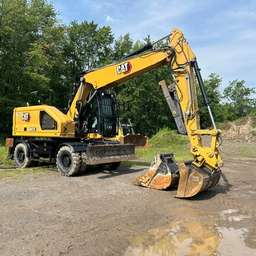
- Medium Equipment: For larger tools and machines such as cement mixers or small excavators, you can expect to pay between $50 to $150 per day.
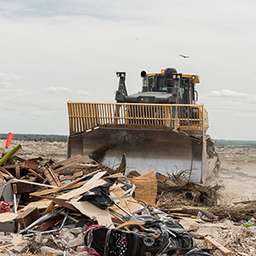
- Heavy Equipment: For heavy machinery like bulldozers, cranes, or large excavators, insurance costs can range from $150 to $500 or more per day.
NOTE: It’s important to get quotes from multiple insurance providers and compare the coverage options to find the best deal for your needs. Always read the policy details carefully to make sure you understand what is covered and any exclusions that may apply.
What Construction Equipment Rental Insurance Do I Need?
Choosing the right construction equipment rental insurance depends on the type of equipment you’re renting, the nature of your project, and the specific risks involved. Here’s a guide to help you determine what coverage you might need:
Look at Your Equipment
- Type of Equipment: Different types of equipment come with different levels of risk. Heavy machinery like bulldozers or cranes generally needs more coverage compared to smaller tools like drills or saws.
- Value of Equipment: The higher the value of the equipment, the more insurance coverage you’ll need. Make sure the coverage limits are enough to cover the replacement cost of the equipment.
Consider Project Requirements
- Project Duration: For short-term rentals, you might opt for daily or weekly insurance plans. For long-term projects, look into monthly or yearly coverage options that might offer better rates.
- Project Location: The location of your project can affect the type of insurance you need. For example, city areas might have different risk factors compared to countryside areas, such as higher theft rates or different weather conditions.
Think About Risk Factors
- Accidental Damage: If there’s a high chance of accidental damage due to the nature of your work, make sure your policy includes good damage coverage.
- Theft Risk: If your project site is in an area with a high theft rate, it’s important to have strong theft protection.
- Liability Concerns: If your work involves operating machinery near other people or properties, liability insurance is important to cover potential injuries or damages.
Consult with Professionals
It’s always a good idea to talk to an insurance advisor who can help you figure out your specific needs and recommend the best policies. They can provide insights into industry standards and help you navigate the different options available.
By carefully considering these factors, you can choose the right construction equipment rental insurance that provides the protection you need for your specific project. This makes sure that you’re covered in case of any unexpected events, allowing you to focus on completing your work smoothly and safely.
How to Insure Rental Equipment
Insuring rental equipment is a straightforward process, but it’s important to follow each step carefully to help you get the right coverage. Here’s a simple guide to help you through the process:
1. Identify Your Needs
Start by listing the equipment you plan to rent and think about the specific risks associated with your project. Consider factors like the value of the equipment, the duration of the rental, and the environment in which you’ll be using the equipment.
2. Research Insurance Providers
Look for insurance companies that specialize in construction equipment rental insurance. Compare their offerings, read customer reviews, and check their reputation. Make sure they have experience in providing the type of coverage you need.
3. Get Multiple Quotes
Reach out to several insurance providers to get quotes. Provide them with detailed information about the equipment and your project to get accurate pricing. Compare the quotes not only in terms of cost but also the coverage options and limits.
4. Review the Coverage Details
Carefully review the details of each insurance policy. Look at what’s covered and what’s excluded, the coverage limits, deductibles, and any additional fees. Make sure the policy covers damage, theft, liability, and any other specific needs you identified earlier.
5. Ask Questions
Don’t hesitate to ask the insurance providers questions if anything is unclear. This can include clarifying what is covered in different scenarios, how claims are processed, and what to do in case of an emergency.
6. Choose the Best Policy
Based on your research and the quotes you’ve received, choose the policy that offers the best coverage for your needs at a reasonable price. Remember, the cheapest option isn’t always the best; focus on getting comprehensive coverage.
7. Purchase the Insurance
Once you’ve chosen a policy, purchase the insurance. Make sure you receive all necessary documentation, including the policy details and contact information for filing claims or asking for assistance.
8. Keep Records
Keep a copy of your insurance policy and any related documents in a safe place. Have easy access to them throughout the rental period. It’s also a good idea to have the insurance provider’s contact information readily available.
Construction Equipment for Rent in Pennsylvania & New York
Looking for reliable construction equipment rentals in Pennsylvania and New York? Five Star Equipment has you covered. With a wide range of top-quality machinery and tools, we provide the equipment you need to get the job done right. Contact us today to learn more about our rental options and how we can help make your project a success.
Summary
Insurance protects against damage, theft, and liability when renting construction equipment. Understanding your insurance needs and choosing the right coverage allows peace of mind and helps your project run smoothly. Follow our step-by-step guide above to properly insure your rental equipment and get the protection you need.