Contractors rely on heavy equipment to complete construction projects safely and with the right power behind them. Choosing the right machinery, maintaining it properly, and keeping operators well-trained are all factors in keeping a job site productive. Beyond that, understanding how to balance costs, manage depreciation, and decide when to upgrade equipment can have a long-term impact on profitability. Whether you’re working on large-scale infrastructure or smaller commercial projects, check out these heavy equipment essentials to help you maximize efficiency and reduce unnecessary expenses at your job site.
Selecting the Right Equipment for the Job
The right equipment keeps your project on schedule and meets safety standards. One of the biggest mistakes contractors make is mismatching machine capacity with project requirements. Using equipment that’s too small for a demanding job can lead to slow progress and mechanical failures, while oversized machinery may drive up fuel costs and reduce maneuverability.
Key considerations when selecting equipment include:
- Machine Capacity: Ensure the equipment can handle the project’s demands efficiently.
- Durability: Machines should withstand harsh environments, including extreme weather and heavy workloads.
- Fuel Efficiency: Evaluating fuel consumption helps minimize operational costs.
- Adaptability: Equipment should be versatile enough to handle different job site conditions.
Heavy Equipment Essentials Every Construction Site Needs
No matter your project, you’re likely going to need the following construction equipment machines at your worksite. Five Star Equipment offers a wide range of industry-leading heavy construction machinery designed to meet the demands of construction, demolition, material handling, and waste management. Let’s take a look:
- Articulated Dump Trucks: Heavy-duty trucks designed for transporting large loads over rough terrain.
- Backhoe Loaders: Versatile machines combining a front loader and a rear backhoe for digging and material handling.
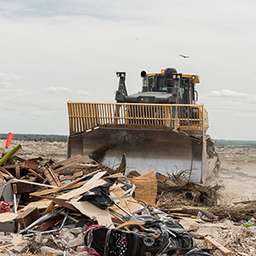
- Crawler Dozers: Powerful, tracked machines used for grading, pushing materials, and land clearing.
- Crawler Loaders: Tracked loaders designed for digging and moving material efficiently in rugged conditions.
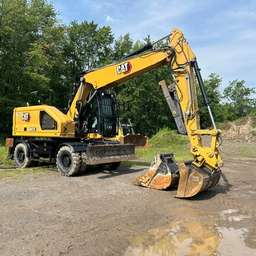
- Mid-Size Excavators: Excavators built for balanced power and maneuverability in medium-scale construction tasks.
- Large Excavators: Heavy-duty digging machines built for large-scale earthmoving and excavation projects.
- Motor Graders: Machines with long blades used for leveling and grading roads and job sites with precision.
- Scraper Systems: Advanced earthmoving equipment designed to scrape, haul, and level soil efficiently.
- Tractor Loaders: Strong, multi-functional machines that handle loading and excavation tasks with ease.
- Waste Equipment: Specialized heavy equipment built for handling and managing waste in industrial applications.
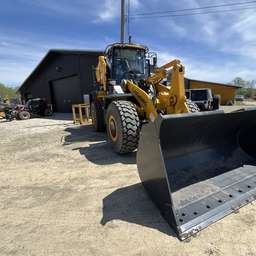
- Wheel Loaders: Powerful loaders equipped with large buckets for moving and loading heavy materials.
Preventative Maintenance to Extend Equipment Life
Heavy equipment is a major investment, and routine maintenance is necessary to protect that investment. Regular maintenance helps identify minor issues before they become costly repairs.
Essential maintenance practices include:
- Daily Inspections: Check fluid levels, tire pressure, hydraulic components, and electrical systems.
- Scheduled Service Intervals: Follow manufacturer recommendations for oil changes, filter replacements, and lubrication schedules.
- Proper Storage: Avoid exposure to moisture, extreme temperatures, and dust to prevent premature wear.
- Monitor Wear and Tear: Address minor repairs early to prevent costly downtime.
Hydraulic System Performance in Heavy Equipment
Hydraulic systems power many essential functions in heavy equipment, from lifting and digging to steering and braking. Proper fluid pressure and flow rate are important for maintaining performance and preventing system failures.
To maintain optimal hydraulic performance:
- Monitor hydraulic pressure gauges and temperature sensors to detect leaks, clogged filters, or failing pumps.
- Ensure fluid cleanliness by preventing dirt, moisture, and air bubbles from contaminating hydraulic fluid.
- Perform routine fluid analysis to identify contamination before it causes damage.
- Inspect seals, hoses, and fittings regularly to prevent costly system failures.
Operator Training and Job Site Safety
An experienced operator focuses on efficiency while preventing accidents and reducing wear on equipment. Professional training and support minimize the risk of incidents that can cause injuries, damage to machines, or project delays.
Key aspects of operator training and safety include:
- Ongoing Education: Operators should stay up to date on best practices for different types of equipment.
- Proper Handling Techniques: Misuse, overloading, and ignoring safety procedures increase the risk of failure.
- Safe Navigation: Operators should understand how to handle equipment on different terrains to prevent accidents.
- Communication: Clear communication between operators and ground crews enhances job site safety.
Managing Equipment Costs and Resale Value
Heavy equipment loses value over time, but strategic management can help contractors minimize depreciation. Several factors influence resale value, including machine usage, maintenance history, and market demand.
To optimize costs and maximize resale value:
- Keep detailed service records to document maintenance and repairs.
- Decide when to repair versus replace equipment based on repair frequency and cost.
- Consider upgrading to newer models if efficiency gains justify the investment.
- Explore the used equipment market for well-maintained machines at a lower cost.
Contact Five Star Equipment to Find All the Heavy Equipment You’ll Need for Your Construction Project
Choosing, maintaining, and managing heavy equipment essentials effectively can make a huge difference in project efficiency and profitability. Contractors who take the time to select the right machinery, invest in routine maintenance, ensure proper training, and evaluate costs carefully will get the most out of their equipment. If you’re looking for high-quality heavy equipment that meets your project’s needs, Five Star Equipment has the inventory and expertise to help. Contact us to find the best machines and heavy equipment essentials for your construction projects.